
Managing Anxiety in Uncertain Times: Lessons from a Psychotherapist

Updated: Jan 12
Do you feel overwhelmed by the news cycle? You're not alone. Anxiety spreads fast, but so does calm.
Lately, I’ve been feeling it. There's a persistent anxiety, a sense of unease about the world. Maybe you have, too? Economic uncertainty, political instability, and an endless stream of alarming headlines make it difficult to stay grounded.
Even as a psychotherapist, trained to help others navigate emotions, I have to remind myself to apply the very strategies I teach.
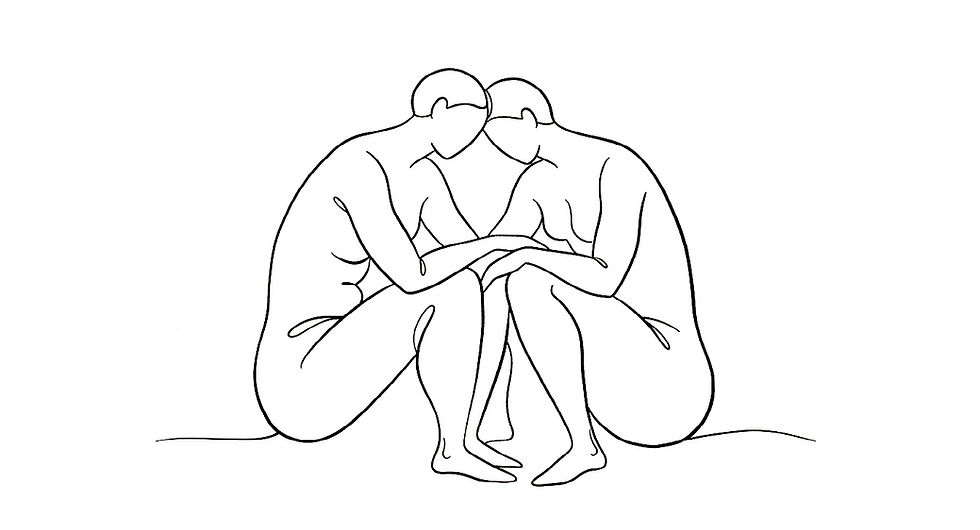
The truth is that emotions are contagious.
When collective anxiety rises, it spreads through our workplaces, communities, and homes. Whether it's a tense colleague, a stressed-out friend, or the pervasive worry of social media, we all absorb the emotional climate around us.
But here's the good news: just as anxiety can spread, so can calm. The key is being intentional about what we absorb and how we respond.
The Power of Mindfulness in Emotional Regulation
One of the most effective tools I use, both personally and professionally, is mindfulness. Not necessarily the "sit on a cushion and empty your mind" kind, unless that works for you, but the kind that allows you to observe emotions without being consumed by them.
When I feel that agitation creeping in, I pause. I notice where it sits in my body, jaw tight, shoulders raised, breath shallow. Instead of pushing discomfort away, I acknowledge it: Oh, anxiety is here. That’s okay. What do I need right now?
This small moment of awareness helps break the cycle of unconscious stress.
Building this mindfulness muscle enables us to navigate challenges with greater stability. Instead of reacting impulsively, we can take a step back and choose a thoughtful response, whether at work, in relationships, or when engaging with the news.
The Mental Health Benefits of Reducing News Exposure
A major source of anxiety is the constant flood of news. While staying informed is essential, excessive media consumption fuels stress, distorts our perception of reality, and leaves us feeling powerless. Here’s why minimizing exposure can help:
Psychological Benefits:
Reduces Anxiety Levels: The 24/7 news cycle keeps our nervous system on high alert. Cutting back supports emotional regulation.
Improves Cognitive Functioning: Overloading the brain with information makes it harder to think clearly and make decisions.
Enhances Mood Stability: The negativity bias in news reporting can distort our worldview. Limiting exposure promotes balance.
Encourages Present-Moment Awareness: Constant updates pull us away from real-life experiences. Less screen time means more presence.
Practical Impacts:
Reclaims Time and Energy: Instead of doom-scrolling, we can invest in meaningful activities and relationships.
Improves Sleep Quality: Avoiding news, especially before bed, reduces rumination and late-night stress.
Promotes a More Balanced Perspective: Curating news sources and limiting exposure allows us to stay informed without feeling overwhelmed.
How to Implement Healthy Media Boundaries
You don’t need to cut yourself off completely, just be more intentional about consumption:
Schedule News Check-Ins: Set specific times, for example 15-30 minutes once or twice daily, rather than checking constantly.
Choose Curated Sources: Stick to one or two reliable, balanced outlets instead of scrolling endlessly.
Take News Sabbaticals: Step away on weekends or during vacations to reset.
Focus on Actionable Information: Prioritize updates that impact your daily life rather than sensational headlines.
Applying These Strategies to the Workplace
For professionals, managing emotional contagion in the workplace is crucial. Stress and anxiety, if unchecked, spread through teams, affecting productivity, morale, and decision-making.
How to cultivate a resilient work environment:
Model Emotional Regulation: If you’re a leader, your mood influences your team. Practising calm and mindfulness has a ripple effect.
Encourage Boundaries: Normalize stepping away from work and digital overload for mental health breaks.
Promote Meaningful Conversations: Instead of fixating on problems, shift discussions toward solutions and long-term perspectives.
Foster Connection: In uncertain times, a supportive work culture helps buffer stress and prevent burnout.
Creating a More Grounded and Resilient Life
If you’ve been feeling on edge, you’re not alone.
The world can feel overwhelming, but small, intentional shifts like mindfulness and media boundaries make a real difference. We can’t always control external events, but we can control how we respond. In doing so, we create a more stable, resilient space for ourselves and those around us.
By taking small steps to manage our well-being, we contribute to a healthier, more intentional world, one where calm is just as contagious as anxiety.
Struggling? Therapy can help you regain clarity and calm. Schedule a free consultation and take the first step toward meaningful change.
Want to explore more strategies for managing stress and emotional well-being? Check out these related articles:

#MentalHealth #Mindfulness #EmotionalWellbeing #SelfCare #StressManagement #Psychotherapy #AnxietyRelief #Resilience #BurnoutPrevention #WorkLifeBalance
© 2025 Stefan Jurgens. All rights reserved.
Unless otherwise noted, all content on this blog is the copyright of Stefan Jurgens.


Comments